


Top Tips for Helium Balloon Care: Everything You Need to Know
Helium balloons add a touch of magic to any celebration — but keeping them looking their best takes a little know-how. From choosing the right balloon type to maximising float time and staying safe, this guide covers everything you need to get it right first time.
1. Choosing the Right Balloon Material for Helium
Not all balloons are created equal when it comes to helium. Picking the right type from the start makes a huge difference to float time and overall effect.
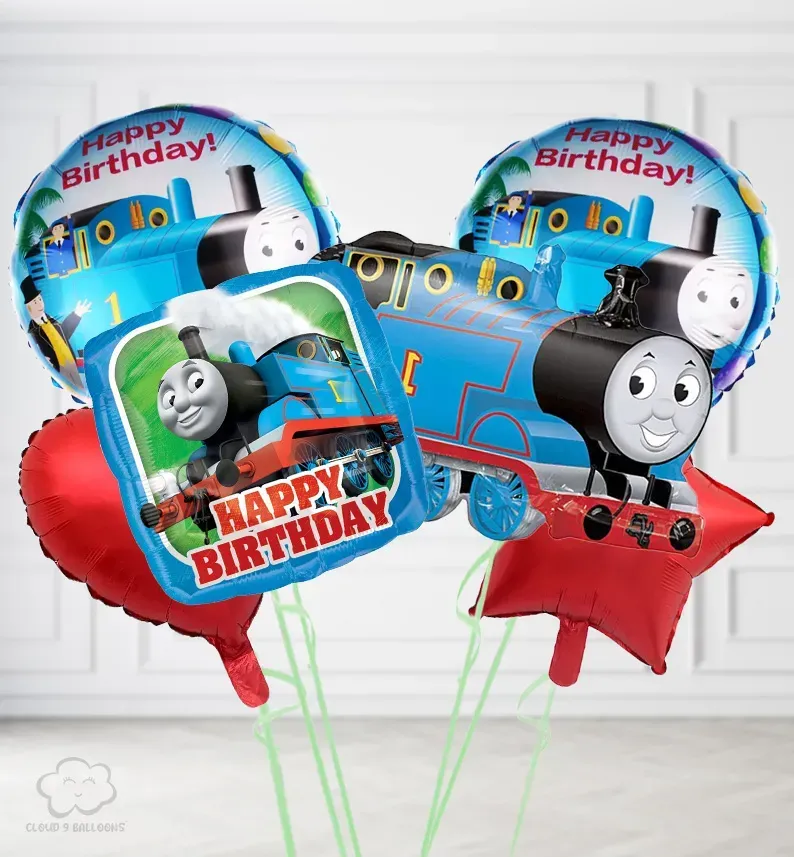
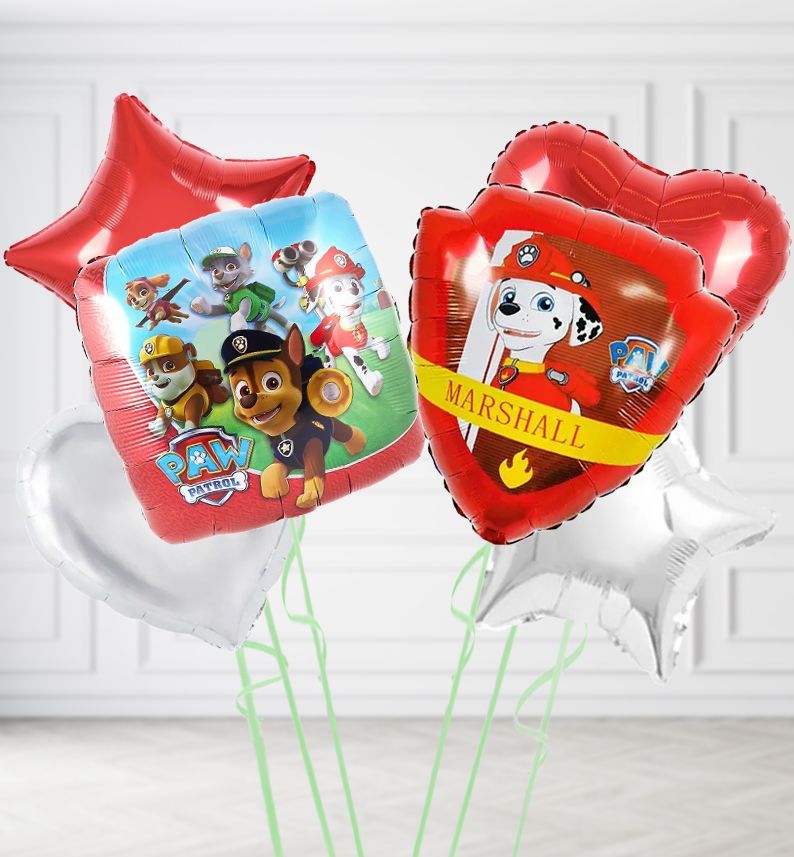
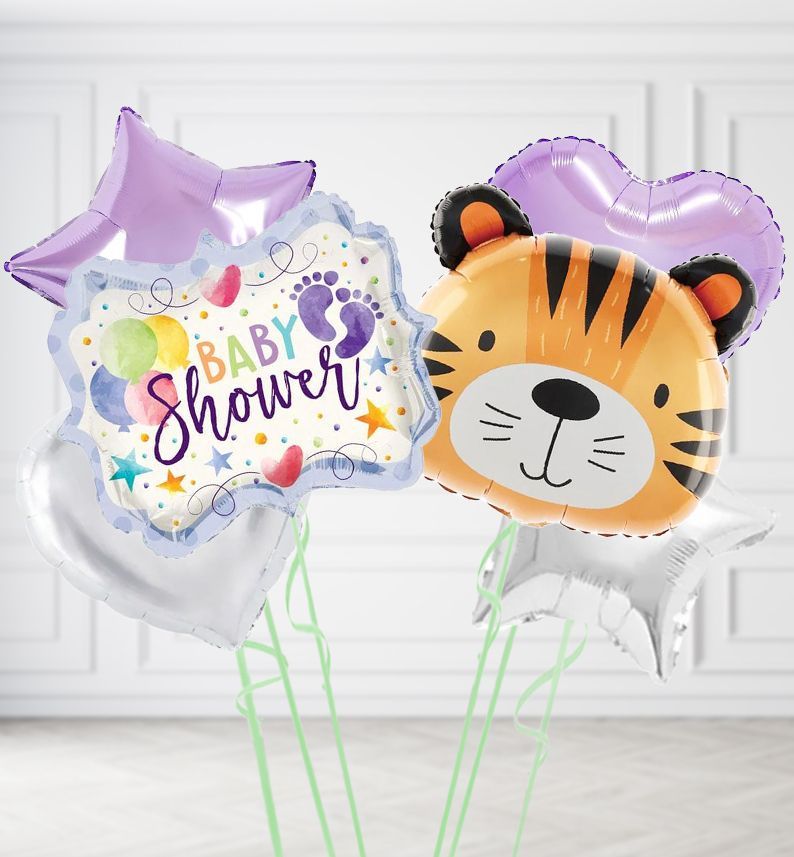
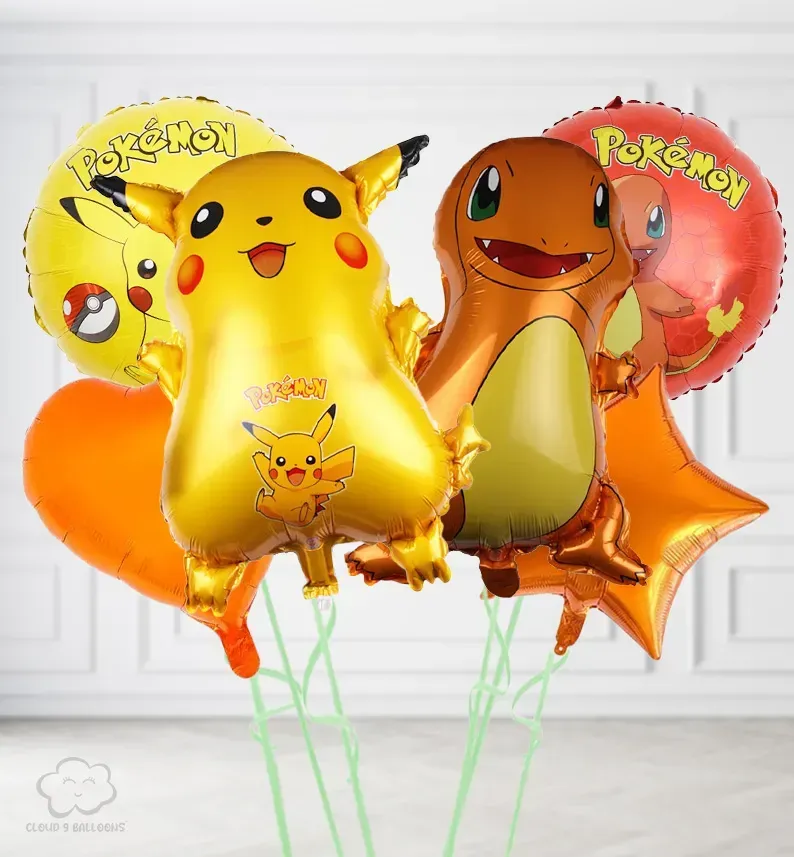
- Foil / Mylar balloons — The gold standard for longevity. Because foil is non-porous, helium escapes far more slowly, giving you float times of anywhere from a few days to two weeks.
- Standard latex balloons (11") — Expect roughly 8–16 hours of float time. Latex is porous by nature, so helium gradually seeps through the material, which is the reason we dont recommend using latex for helium balloons.
- Jumbo latex balloons — Their larger volume means more helium and a longer float, often lasting a day or more without treatment, however can be unsuitable as table balloons.
- Confetti balloons — Beautiful but heavy. The combined weight of the latex, helium, and confetti shortens float time noticeably, so plan to inflate these closer to the event. A short lead time puts pressure on your balloon crew - so not advisable.
Always check suitability — If you're using balloons not supplied with a helium kit, confirm they're designed for helium use, as some decorative balloons aren't rated for it.
2. How Long Do Helium Balloons Last?
Float time is the question everyone asks. Here's a quick reference guide:
- Standard latex (11"): 8–16 hours
- Latex treated with Hi-Float: 2–5 days
- Jumbo latex: 1–2 days (longer with Hi-Float)
- Foil / Mylar: 3 days to 2 weeks
- Confetti latex: shorter than standard latex due to added weight
These are guidelines — temperature, humidity, altitude, and inflation level all play a role.
3. Top Tips for Maximising Float Time
Want your balloons to last as long as possible?
These tricks make a real difference:
- Use Hi-Float on latex balloons — This liquid gel coats the inside of the balloon, slowing helium loss dramatically. Applied correctly, it can extend float time from hours to days. Massage it around the balloon before inflating for even coverage.
- Inflate as close to the event as possible — The sooner you inflate, the sooner helium starts escaping. For latex especially, timing is everything.
- Don't over- or under-inflate — Both extremes shorten float time. A properly sized balloon holds helium more efficiently and is less likely to burst.
- Tie a good knot — Secure the neck of latex balloons with a tight knot. For foil balloons, ensure the self-sealing valve clicks shut fully.
- Go bigger where you can — Larger balloons hold more helium and tend to float longer. They also have more visual impact!
4. Temperature & Weather: What You Need to Know
Helium is very sensitive to its environment — and so are the balloons themselves.
- Heat causes helium to expand — Balloons left in a hot car, conservatory, or direct sunlight can burst. Always use air conditioning when transporting balloons on warm days.
- Cold causes helium to contract — Balloons taken outside in winter may look deflated, but don't panic. Bring them back into a warm room and they'll reinflate.
- Humidity and damp conditions reduce float time — Wet weather weakens latex and accelerates helium loss. Keep balloons dry wherever possible.
- Aim for a stable room temperature — Indoors, away from radiators, vents, and open windows, is the sweet spot for maximum longevity.
- Avoid direct sunlight — UV rays can fade colours and weaken both latex and foil over time.
5. Handling & Storage Tips
A little careful handling goes a long way in keeping your balloons intact.
- Keep balloons away from sharp objects — Jewellery, hair clips, rough furniture edges, and even fingernails can cause an unexpected pop.
- Don't overcrowd — Bunching too many balloons together causes them to rub and friction can lead to bursting.
- Store inflated balloons in a cool, dry room — If you've inflated balloons ahead of an event, keep them at a stable temperature away from sunlight and sharp surfaces.
- Foil balloons can be reused — Gently deflate using a straw, fold flat, and store in a cool, dry place for future events.
- Avoid enclosed spaces with uneven airflow — Helium needs room to distribute properly inside the balloon for optimal buoyancy.
6. Safety First: Important Helium Balloon Guidelines
Balloons are a joy, but safety should always come first — especially around children.
- Never inhale helium — It displaces oxygen in the lungs and can cause asphyxiation. This applies to helium from tanks as much as from balloons.
- Always tether helium balloons — Secure them with ribbons and weights to prevent them from floating away, especially outdoors.
- Supervise young children — Uninflated or burst balloons are a serious choking hazard. Keep them away from children under 8 without adult supervision.
- Handle helium tanks safely — Use a proper pressure regulator, check for leaks with soapy water, and always open the valve slowly. Store tanks upright, secured, and away from heat sources.
- Avoid outdoor balloon releases — The balloon industry strongly discourages releases, as deflated balloons can pose a real risk to wildlife and the environment. There are beautiful alternatives — LED light displays, bubbles, or paper confetti — that create the same wow moment without the environmental impact.
7. Transporting Helium Balloons
Getting balloons from A to B without losing any is an art in itself which is why Cloud9Balloons have specially designed boxes to ensure your helium balloons arrive in perfect condition.
- Use a large bag or box — Gently bundle balloons and secure the ribbons to keep them together.
- Use air-conditioned vehicles on hot days — Heat in a parked car can cause balloons to expand and pop rapidly.
- Don't let them rub against the car interior — Keep them away from rough upholstery and seat belts.
- Inflate on-site if possible for large orders or displays, inflating at the venue just before the event usually guarantees floating balloon displays
For best results, always inflate as close to your event as possible, store indoors at a stable temperature, and handle with care. With the right preparation, your helium balloons will look stunning from the moment guests arrive to the very last song.